Final Beluga Transfers Close Marineland Chapter, But Ontario Has Yet to Fix the System That Allowed It
Canada NewsWire
NIAGARA FALLS, ON, Sept. 1, 2026
NIAGARA FALLS, ON, Sept. 1, 2026 /CNW/ -- As the final beluga whales are transported out of Marineland, their departure should mark not only the end of a troubling era, but the beginning of serious reform to prevent another captive wildlife crisis from happening in Ontario.
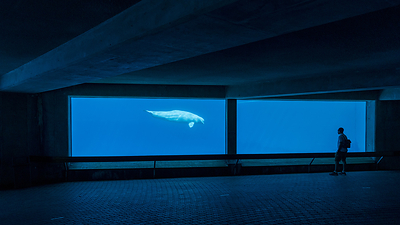
The process surrounding Marineland's closure has exposed serious weaknesses in Ontario's approach to overseeing captive wildlife, including a lack of public transparency about the fate of animals and a system that has too often left critical decisions in the hands of the very operator whose facility failed to care for the animals in the first place.
"Getting these belugas out of Marineland does not solve the systemic issue facing thousands of captive wild animals in Ontario," said Colin Saravanamuttoo, Executive Director of World Animal Protection Canada. "Premier Doug Ford and his government need to be firmly in the driver's seat. Ontario needs comprehensive zoo licensing regulations that set clear, enforceable standards for who can keep wild animals, how they are cared for and what happens when they can no longer maintain adequate care. Without those safeguards, there is nothing stopping another Marineland from happening."
For years, Marineland amassed hundreds of wild animals while operating within a provincial system that lacked comprehensive licensing and proactive oversight of zoos and other facilities keeping captive wildlife, even as the facility faced repeated animal welfare investigations, charges and convictions.
"Marineland's problems were well documented for years, yet Ontario's weak regulatory system allowed this situation to reach a crisis point," said Melissa Matlow, Campaign Director at World Animal Protection Canada. "The lesson could not be clearer: Ontario needs comprehensive zoo regulations that prevent problems before they become crises. That means clear rules for who can keep wild animals, strong standards for animal welfare and public safety, regular oversight and the ability for government to step in when those standards are not met."
For decades, World Animal Protection Canada has called for comprehensive provincial oversight of captive wildlife facilities. In recent years, alongside the Toronto Zoo, Zoocheck and other stakeholders, the organization has provided the Ministry of the Solicitor General with practical recommendations, regulatory models and evidence-based policy proposals for establishing a province-wide licensing and oversight framework. Examples of regulatory solutions are already well precedented, including those contained in Bill 35, the Captive Wildlife Protection Act, introduced by Ontario Liberal MPPs Lucille Collard and Karen McCrimmon, which is currently before the Ontario legislature awaiting second reading.
World Animal Protection Canada is calling on the Ford government to take meaningful steps by the end of 2026 to establish province-wide zoo licensing regulations and an oversight framework for facilities keeping captive wildlife with the following components:
- Establish a mandatory captive wildlife licensing regime under the PAWS Act, based on the highest available animal welfare, public health and safety standards.
- Create a comprehensive application and renewal process for zoos.
- Establish requirements for existing facilities to meet the new standards, with breeding and acquisition bans where requirements are not met to facilitate the phase out of non-compliant facilities.
- Ensure enforcement staff are properly trained and resourced to effectively oversee and enforce the new system.
"The most important lesson from Marineland is that Ontario should never allow another situation like this to develop," said Erin Ryan, Wildlife Campaign Manager at World Animal Protection Canada. "We cannot wait until another facility is in financial or operational trouble and hundreds of animals need somewhere to go. Ontario needs strong, proactive rules for captive wildlife that prevent crises rather than forcing governments to manage them after the damage has already been done."
Quick Facts:
- Ontario is the only province in Canada without regulations over the possession of non-native wildlife.
- More than 50 municipalities and several municipal associations have passed resolutions calling on the province to act.
- Those associations collectively represent more than 150 municipalities and nearly three million Ontarians.
- World Animal Protection Canada's wildlife incident map has also documented at least 95 incidents involving captive wild animals in Ontario, including escapes, attacks and other public safety concerns.
About World Animal Protection
World Animal Protection is an international animal welfare charity with 75 years of experience advocating for the humane treatment of animals worldwide. We work with local communities, the private sector, civil society and governments to protect wildlife and farm animals through evidence-based solutions that benefit animals, people and the planet.
SOURCE World Animal Protection

