RICHMOND, Va., Jan. 22, 2026 (GLOBE NEWSWIRE) -- What are the signs my roof needs attention? A HelloNation article featuring Corey Toppin of Skyline Roofing and Contracting in Richmond provides timely and detailed answers. Many homeowners assume a roof will last for decades without issue, but small changes in appearance and performance can signal that trouble is developing long before leaks begin. The HelloNation feature explains how catching these early warning signs can mean the difference between a simple repair and a costly replacement.
According to the article, one of the first indicators is curling shingles. Shingles are meant to lie flat, forming a protective barrier against rain and sun. When they start to curl at the edges or buckle in the middle, they are losing adhesion and flexibility. Curling shingles cannot properly shed water, and once the process begins, it often spreads quickly across the surface of the roof.
Another visible sign is dark streaks across shingles. While homeowners may think these streaks are dirt, they are often caused by algae growth. Algae itself may not directly destroy shingles, but it holds moisture against them and speeds up wear. The article also points out that streaks may signal drainage issues or water movement across the roof, which can create weak spots and eventual leaks if ignored.
Granule loss is another key issue described in the HelloNation article. Asphalt shingles are coated with a gritty surface that protects them from sunlight and harsh weather. When large amounts of these granules wash off, they often appear in gutters or at downspouts. While some granule loss after storms is normal, heavy loss suggests shingles are reaching the end of their life. Without the protective coating, they become brittle, crack more easily, and lose resilience against storms.
Importantly, a roof does not need to be leaking to be in serious condition. Small surface changes like curling shingles, streaks, or missing granules often appear years before water makes its way indoors. Homeowners who pay attention to these subtle clues can schedule timely repairs that add years to a roof’s lifespan and prevent larger structural problems.
The HelloNation feature also emphasizes how seasonal shifts in Richmond increase roof stress. Hot summers cause shingles to expand, while cold winters lead to contraction. Heavy rain, strong winds, and freezing temperatures put extra strain on flashing, vents, and seals. The article explains that these climate factors magnify existing weaknesses, meaning small defects can quickly turn into leaks or other structural issues.
Sagging in the roofline is another warning that cannot be ignored. A roof should look straight and even when viewed from a distance. Any dip or curve may indicate deeper structural damage in the decking or supports. Long-term exposure to moisture or hidden rot often causes this type of sagging. The HelloNation article highlights this as one of the most urgent signals that a roof may no longer be sound.
Warning signs can also appear inside the home. Water stains on ceilings, peeling paint, and bubbling plaster often mean that moisture has already entered. Even small areas of staining can signal larger problems above. Moisture spreads through insulation and framing, so visible damage inside may be far from the actual entry point.
The article identifies flashing and roof penetrations as frequent problem spots. Flashing protects areas around chimneys, skylights, and valleys. If it begins to rust, loosen, or separate, water quickly finds a way in. Likewise, vent pipes and exhaust vents can crack or shift, leaving hidden gaps that cause leaks. These areas require careful inspection because they can fail even when shingles appear intact.
The HelloNation feature emphasizes that acting quickly saves homeowners money. Replacing a few damaged shingles, sealing compromised flashing, or cleaning blocked gutters costs far less than dealing with widespread leaks or structural damage. However, when warning signs are widespread or the roof is near the end of its life, a full replacement may be necessary.
Routine inspections remain the best safeguard. Even when no visible leaks exist, a professional inspection every couple of years can uncover issues before they grow. Richmond’s unpredictable weather makes this especially important, since storms often leave damage that is hard to spot from the ground. Experienced contractors can identify the small shifts and changes that point to future problems.
The HelloNation article concludes that a roof is the first line of defense against the elements. By staying alert to signs such as curling shingles, streaks, granule loss, sagging, or water stains, homeowners can act before minor issues escalate. A little attention at the right time adds years of life to a roof and protects the home from expensive damage.
For anyone asking, “When should a roof be inspected for damage?” or “What roof repairs are common in Richmond’s weather?” The HelloNation feature provides straightforward guidance. Routine inspections and prompt attention to warning signs are the most reliable ways to preserve a roof’s function and extend its lifespan.
The article Signs Your Roof May Need Attention features insights from Corey Toppin, Roofing Expert of Richmond, VA, in HelloNation.
About HelloNation
HelloNation is a premier media platform that connects readers with trusted professionals and businesses across various industries. Through its innovative “edvertising” approach that blends educational content and storytelling, HelloNation delivers expert-driven articles that inform, inspire, and empower. Covering topics from home improvement and health to business strategy and lifestyle, HelloNation highlights leaders making a meaningful impact in their communities.
Patrick McCabe
info@hellonation.com
www.hellonation.com
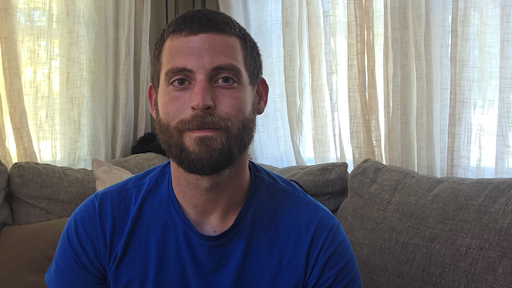
A photo accompanying this announcement is available at https://www.globenewswire.com/NewsRoom/AttachmentNg/a06fc999-2bf8-4edc-a64d-b153d5f104f7

